What a town planner actually does
A town planner reads the planning controls that apply to your land, works out what you can build or operate there, and chooses the pathway that gets you an approval with the least delay. Then we prepare the reports council expects, such as the Statement of Environmental Effects, a Clause 4.6 variation request, or a Plan of Management, and deal with council questions until the approval is issued.
We are town planning consultants and environmental health consultants in one firm. A home business, a food premises fitout or a change of use often needs both a planning approval and a health approval, so we handle them together and the two cases never contradict each other.
Which approval do you need?
A Complying Development Certificate (CDC) is a compliance check. If the project meets the Codes SEPP in full, it is usually issued in 2 to 3 weeks with no neighbour notification, but there is no room for variations. A Development Application (DA) is a merit assessment. It takes longer, typically 6 to 10 weeks, but it allows variations and sensible design arguments. A Section 4.55 modification changes an existing consent and is usually faster and cheaper than a new DA. A change of use covers a shop becoming a cafe, a warehouse becoming a gym, or an office becoming a clinic, and can go down either the CDC or DA path depending on the use and the building.
Services
- Council approvals: pre-DA advice, Development Applications, CDCs, Section 4.55 modifications and Section 8.2 reviews.
- Planning reports: Statements of Environmental Effects, Clause 4.6 variation requests, Plans of Management, waste management plans and operational management plans.
- Specialist coordination: survey, architectural plans, BASIX, stormwater, bushfire, heritage and geotechnical inputs.
- Residential: new homes, alterations, secondary dwellings, dual occupancies, multi dwelling housing, boarding houses and co-living.
- Commercial and community: change of use, retail, offices, gyms, cafes and restaurants, childcare centres, medical centres and places of worship.
What it costs
CDC packages start from $2,200 + GST, with certifier fees separate. Section 4.55 modifications start from $1,950 + GST. DA fees depend on the site and the reports required, so we quote after a short site check. The first consultation is free.
How we work
- Free check (2 to 4 days): we confirm zoning, constraints and the right pathway.
- Preparation (1 to 2 weeks): we prepare the documents and coordinate consultants.
- Lodgement and assessment: we lodge, answer council questions and keep you updated.
- Approval: we review the conditions with you before you act on them.
The same steps in more detail are on our process page.
Where we work
We are based in Lakemba and work across Canterbury-Bankstown, the Inner West, Parramatta, Liverpool, Campbelltown and the rest of Greater Sydney, with regional NSW by arrangement. Most of our consulting is delivered online, so you do not need to visit an office. You can read more about EHUP and the team.
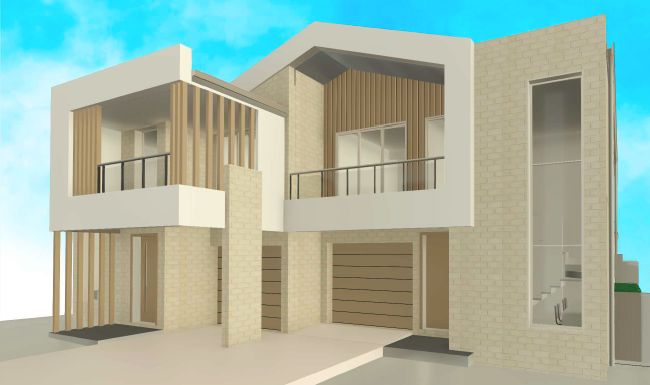
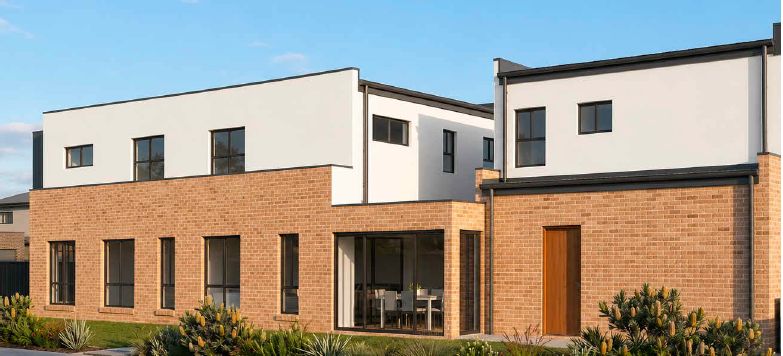
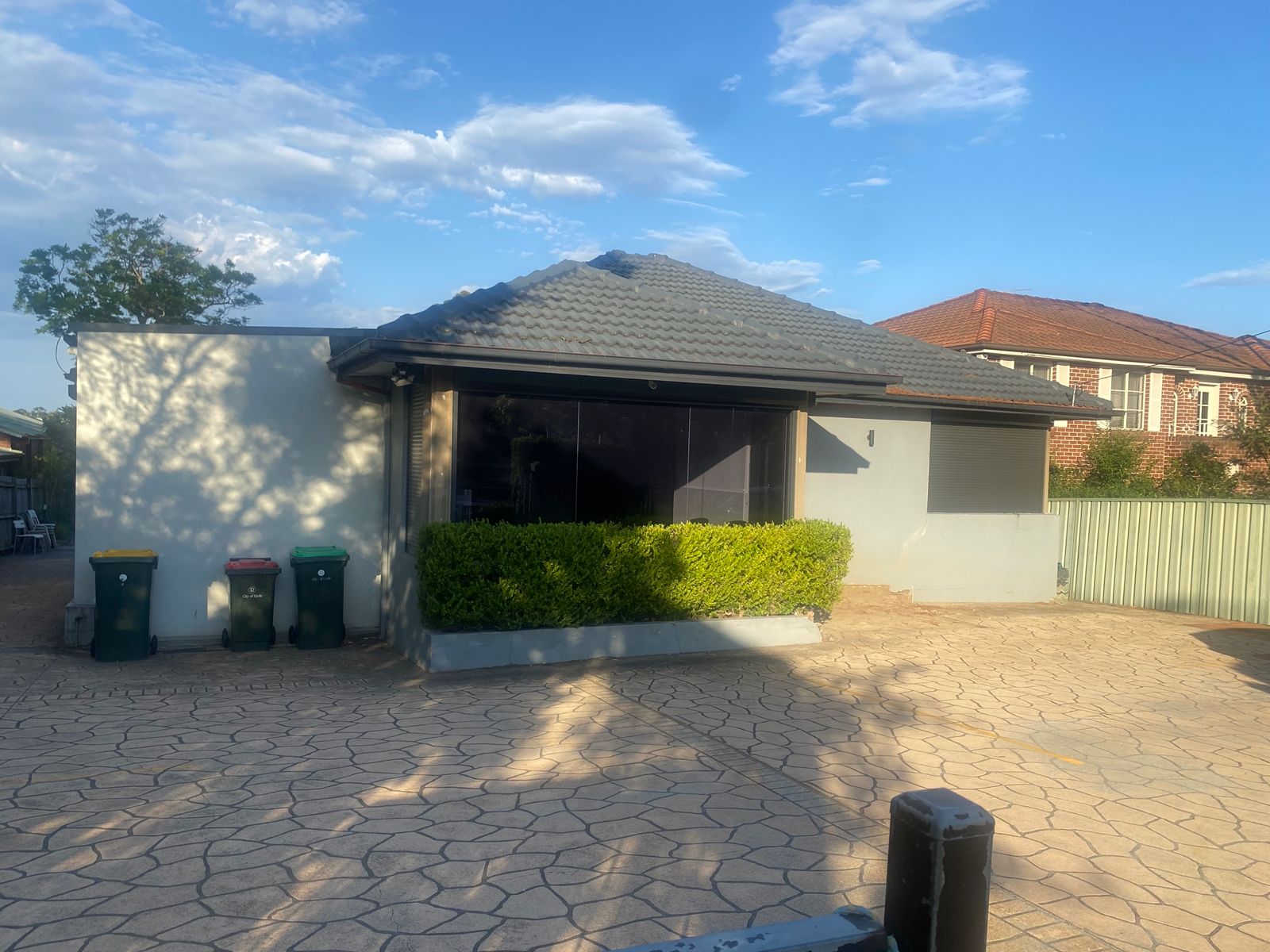
Council-specific pages, with real projects we have taken through each council: Canterbury-Bankstown, Campbelltown and Ryde.
Common questions
Should I apply for a CDC or a DA?
If your project meets every standard in the Codes SEPP, a CDC is quicker and has no neighbour notification. If it needs even one variation, a DA is the correct route. We check this before you spend money on plans.
How long does council approval take in Sydney?
A CDC is usually 2 to 3 weeks once the documents are complete. A DA typically takes 6 to 10 weeks, and longer if council asks for more information.
Do I need a town planner for a small project?
Not always, but a short check often saves money. Many small projects fail because the wrong pathway was chosen at the start.
Can you help if my DA was refused or I built without approval?
Yes. We review the refusal reasons and advise on a Section 8.2 review, an amended DA or an appeal, and we handle retrospective approvals.
Why combine town planning and environmental health in one firm?
Because home businesses, food premises and change of use applications are assessed against different rules by different parts of council. One firm means one point of contact and one timeline.
Where can I find more answers?
Our FAQ page covers fees, timing and the approval pathways in more detail.
Do you work outside Sydney?
Yes, across NSW. Local knowledge matters, so we check the council's controls before we quote.